Schedule Generator Service Today
Keeping your power protected with expert generator repair, maintenance, and installation.
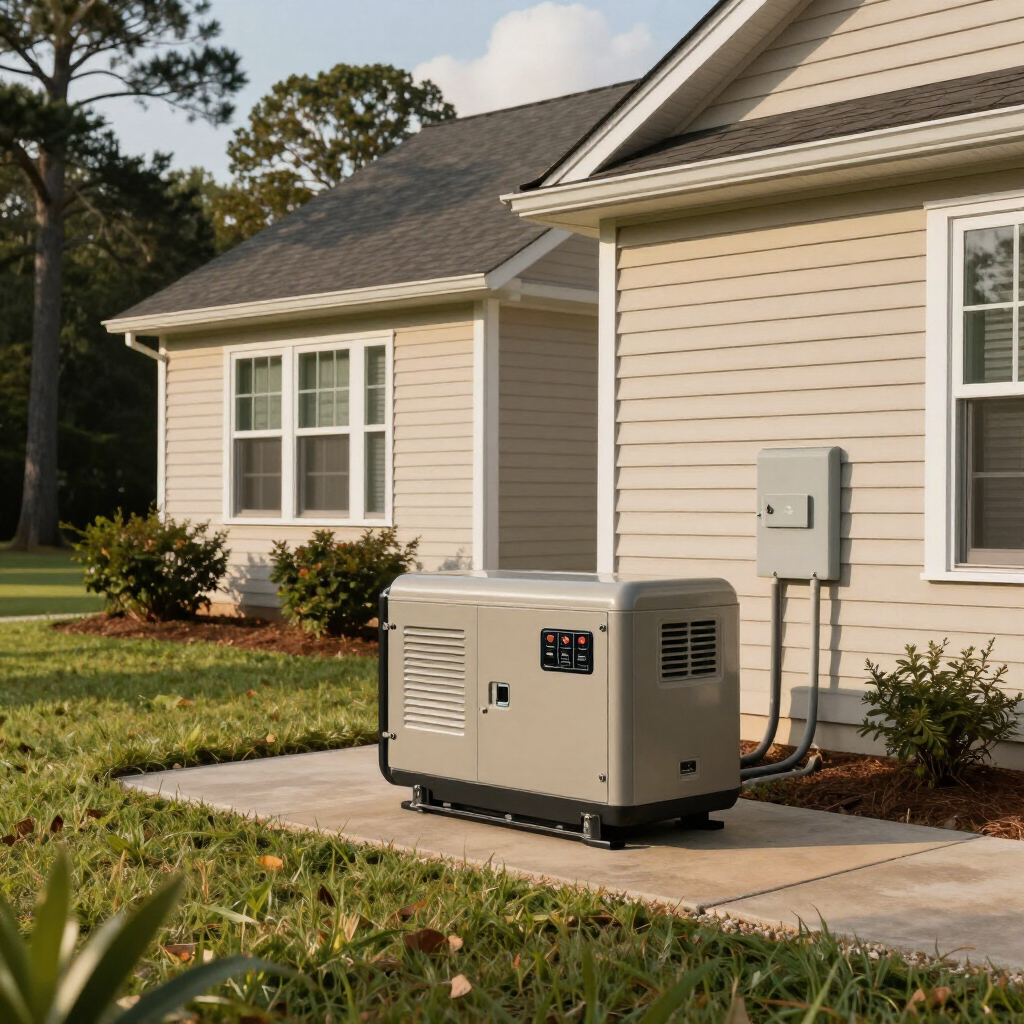
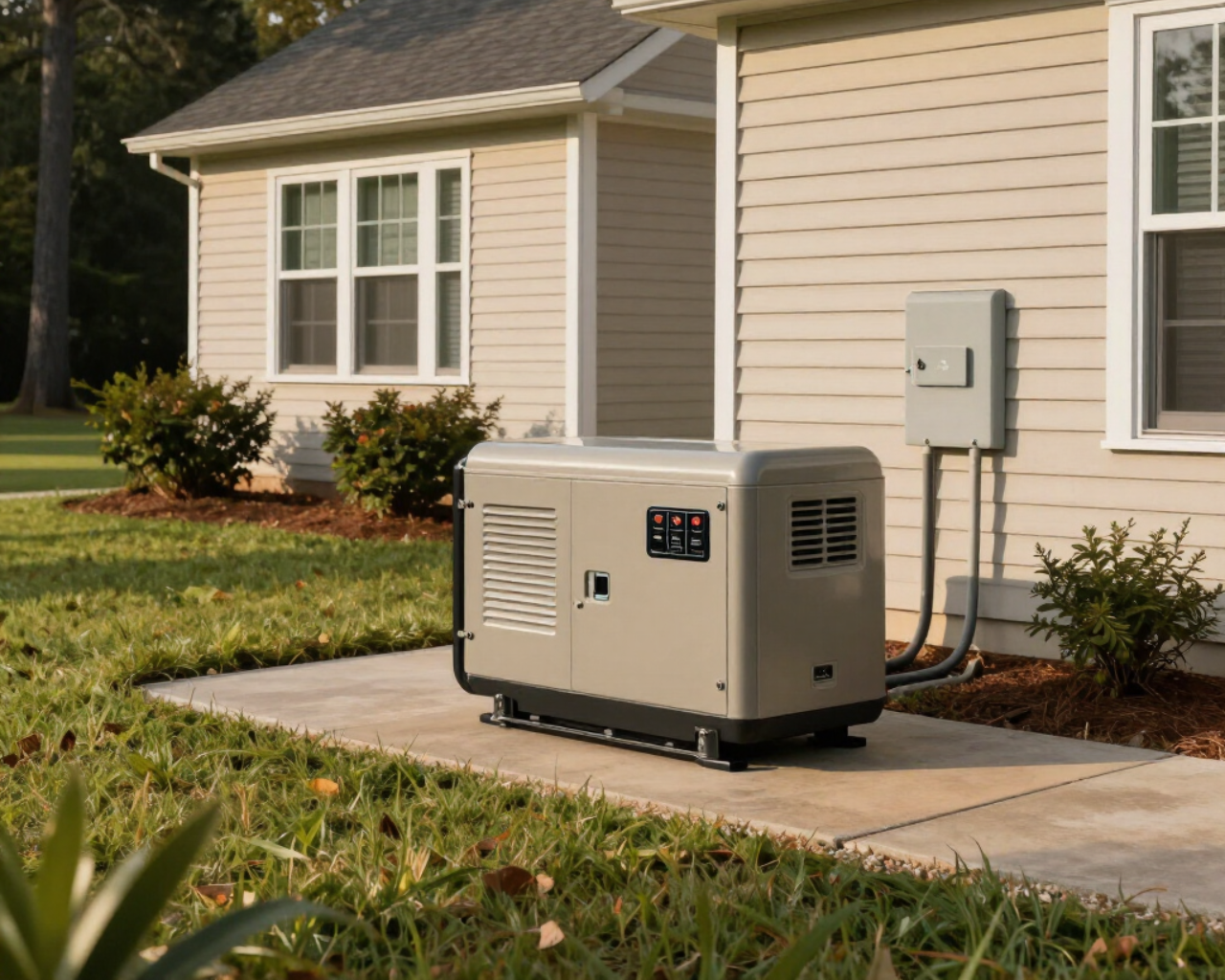
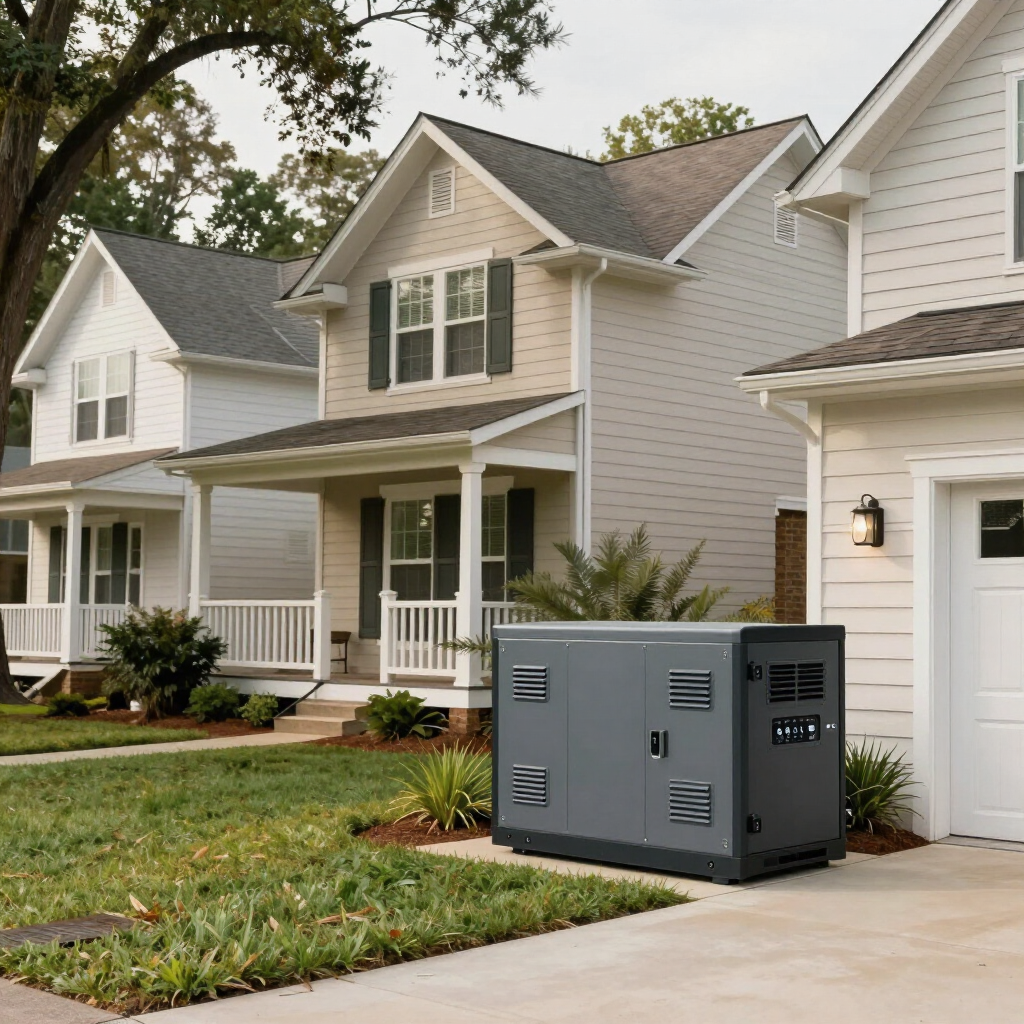
Most homes in Louisiana and Mississippi require an 18–22 kW standby generator to power essential appliances, air conditioning, lighting, and other critical systems during an outage. The right generator size depends on your home's electrical demand, the appliances you want to run, and whether you want partial or whole-home backup power.
Power outages are common across the Gulf Coast due to hurricanes, severe storms, and aging utility infrastructure. Choosing the right generator size ensures your family stays comfortable and protected when the power goes out.
Why Generator Size Matters
A standby generator is a significant investment, and selecting the correct size is one of the most important decisions you'll make.
A generator that is too small may not power everything you need, while an oversized system can increase installation and fuel costs unnecessarily.
A properly sized generator helps:
- Keep essential appliances running
- Prevent overloads and shutdowns
- Improve fuel efficiency
- Extend equipment lifespan
- Provide reliable backup power during emergencies
For homeowners in Baton Rouge, New Orleans, Gulfport, Biloxi, and surrounding communities, proper sizing is especially important during hurricane season when outages can last for days.
How Generator Size Is Measured
Generator capacity is measured in kilowatts (kW). The larger the kW rating, the more electrical demand the generator can handle.
Most residential standby generators fall into these categories:
| Generator Size | Typical Application |
|---|---|
| 10–14 kW | Essential circuits and smaller homes |
| 18–22 kW | Average-sized homes |
| 24–30 kW | Larger homes with higher power demands |
The right size depends on what you want to power during an outage.
What Do You Want to Power?
The first step in determining generator size is deciding whether you need essential backup power or whole-home coverage.
Essential Power Coverage
Many homeowners prioritize:
- Refrigerators and freezers
- Lighting
- Internet and Wi-Fi
- Security systems
- Medical equipment
- Small appliances
A smaller standby generator may be sufficient if these are your primary concerns.
Whole-Home Backup Power
If you want your home to function normally during an outage, you'll likely want to include:
- Central air conditioning
- Water heaters
- Kitchen appliances
- Laundry equipment
- Home office equipment
- Entertainment systems
Whole-home protection typically requires a larger generator.
Typical Generator Recommendations
While every property is different, these general guidelines can help.
Small Homes
Homes with limited electrical needs often perform well with a 10–14 kW generator.
Average Homes
Many Louisiana and Mississippi homeowners choose an 18–22 kW generator, which can often support central air conditioning and most household essentials.
Larger Homes
Homes with multiple HVAC systems, larger appliances, or higher electrical demands may require 24–30 kW or larger systems.
Why Gulf Coast Homes Often Need Larger Generators
Unlike many parts of the country, homeowners along the Gulf Coast often consider air conditioning a necessity rather than a luxury.
After a hurricane or major storm, temperatures and humidity levels can quickly become uncomfortable and potentially unsafe.
Many homeowners want a generator that can support:
- HVAC systems
- Refrigeration
- Medical devices
- Communication equipment
- Security systems
This is one reason why 18–22 kW generators are among the most popular options installed throughout Louisiana and Mississippi.
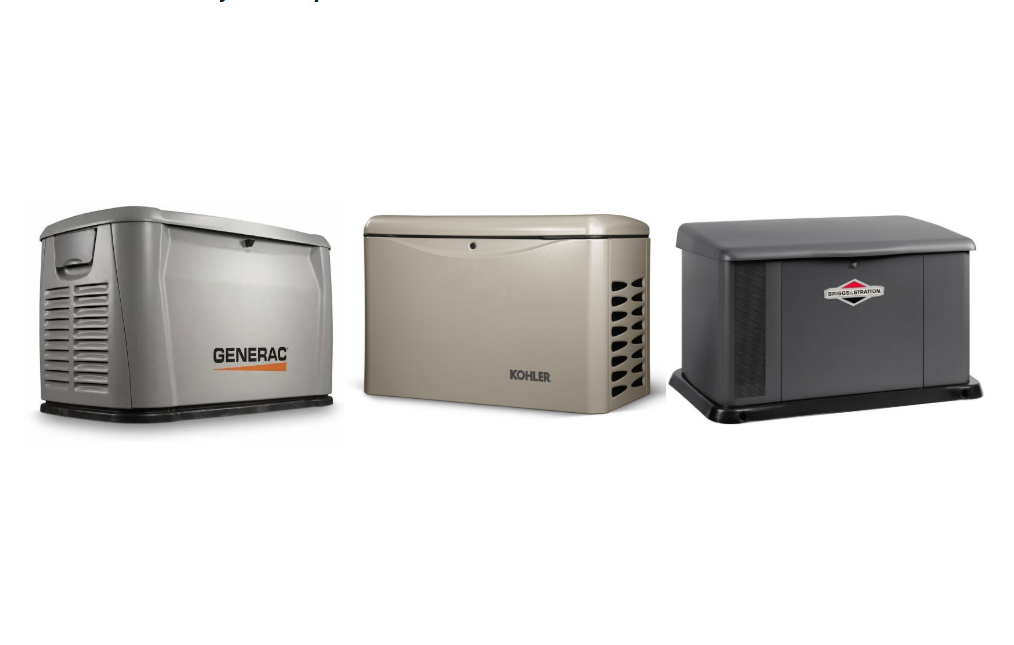
Generac and Briggs & Stratton Generator Options
Generator Service Partners installs and services both Generac and Briggs & Stratton standby generators.
Both manufacturers offer reliable systems in a variety of sizes, making it easy to find a solution that fits your home's needs and budget.
If you're considering a new standby generator, our [Generator Installation Services – https://www.generatorservicepartnersgbs.com/services] team can evaluate your home's electrical requirements and recommend the right system.
Why Professional Generator Sizing Matters
Online sizing calculators can provide rough estimates, but they often overlook important factors.
A professional assessment considers:
- HVAC requirements
- Electrical panel capacity
- Appliance loads
- Startup surge demands
- Future electrical needs
Proper sizing helps ensure your generator performs reliably when you need it most.
At Generator Service Partners, we perform detailed evaluations to help homeowners avoid costly mistakes and choose the right backup power solution.
Common Generator Sizing Mistakes
Choosing Based Only on Square Footage
Home size is only one factor. Electrical demand is what truly determines generator requirements.
Ignoring Air Conditioning Needs
HVAC systems often represent the largest power load in Gulf Coast homes.
Focusing Only on Purchase Price
A lower-cost generator may not provide enough power during an extended outage.
Not Planning for Future Growth
If you plan to add appliances, renovate, or install a home office, those future demands should be considered now.
Frequently Asked Questions
What size generator is needed for a 2,000-square-foot home?
Most 2,000-square-foot homes require an 18–22 kW standby generator, depending on HVAC systems and appliance usage.
Can a generator power my entire home?
Yes. Many whole-house generators are designed to power all major systems and appliances during an outage.
Is a standby generator worth it in Louisiana?
For many homeowners, yes. Frequent storms and hurricane-related outages make standby generators a valuable investment.
Should I choose Generac or Briggs & Stratton?
Both brands offer dependable standby generators. The best choice depends on your home's electrical needs, budget, and preferred features.
Get Expert Generator Sizing Help
Choosing the right generator doesn't have to be complicated. Generator Service Partners helps homeowners across Louisiana and Mississippi select dependable backup power solutions designed for their specific needs.
We provide:
- Generator Sales Services
- Generator Installation Services
- Generator Maintenance Services
- Generator Repair Services
- Warranty Services
Don't wait until hurricane season arrives. Contact Generator Service Partners today to schedule a professional generator sizing consultation and find the ideal backup power solution for your home.
What Size Generator Do I Need for My Home in Louisiana & Mississippi?
Recent Posts